Driveways
Driveway Pavers vs Concrete: Which Is Better for Your Bay Area Home?
- Concrete usually costs less up front, but it cracks, stains and is hard to repair invisibly.
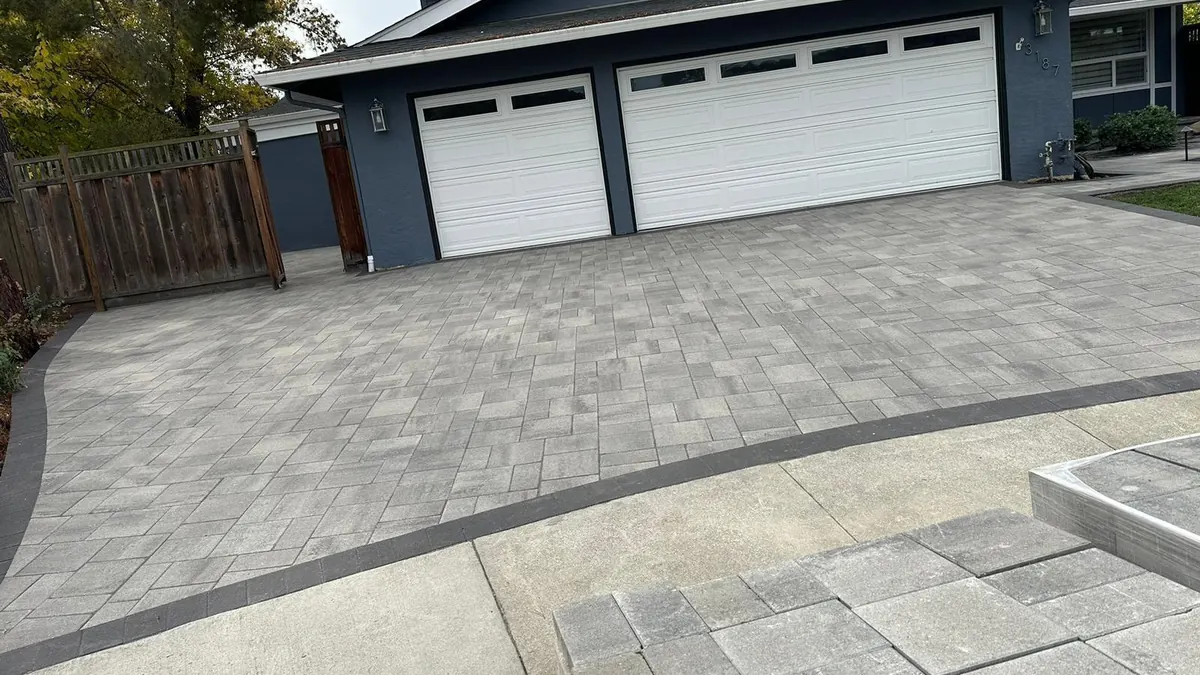
- Pavers cost more at the start, flex with ground movement, can be repaired one stone at a time and add more curb appeal.
- A typical 2-car paver driveway in the Bay Area costs about $4,500 to $9,000 installed.
- For either material, the base under the surface matters more than the surface itself.
Your driveway is the first thing people see and the hardest-working surface on your property. When it is time to replace it, most Bay Area homeowners end up choosing between poured concrete and interlocking pavers. Here is an honest comparison of cost, durability, maintenance and looks, from a crew that installs paver driveways across the Bay Area.
Pavers vs concrete at a glance
| Concrete | Pavers | |
|---|---|---|
| Up-front cost | Lower | Higher |
| Cracking | Common over time | Joints flex, units rarely crack |
| Repairs | Patches show | Replace individual pavers |
| Design options | Limited (stamping, color) | Many shapes, colors and borders |
| Ready to drive on | After curing | Right after installation |
| Maintenance | Seal, repair cracks | Clean, re-sand joints and reseal every few years |
| Curb appeal | Plain | High |
Cost: what a paver driveway costs in the Bay Area
Most Bay Area paver projects run about $15 to $30 per square foot installed, and a typical 2-car driveway lands around $4,500 to $9,000. Removing an old concrete driveway, longer or wider driveways, and decorative borders or patterns add to the total. YardFormz pricing starts at $15.99 per square foot with materials and sealer included, quoted as a fixed price.
Concrete is usually cheaper on day one. The gap narrows over the life of the driveway, because a cracked slab often has to be cut out and repoured, while pavers can be lifted and reset in the exact spot that needs it. For a full breakdown of what drives paver prices, see our paver cost guide.
Durability: why concrete cracks and pavers flex
A concrete driveway is one large, rigid slab. Ground movement, tree roots, temperature changes and heavy vehicles all create stress, and eventually it cracks. Control joints help decide where it cracks, but they do not stop it.
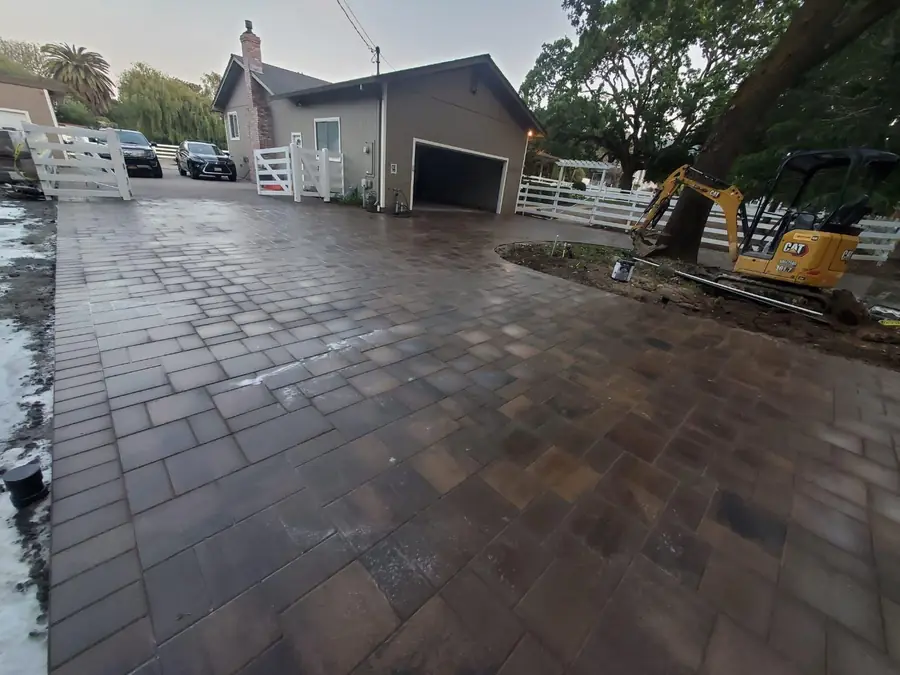
A paver driveway is made of many individual units locked together over a compacted base, with sand in the joints. That system lets the surface move slightly without breaking. Quality concrete pavers are also denser than poured concrete, so the units themselves hold up well under car traffic.
The base is what really matters
Whether you choose concrete or pavers, a driveway is only as good as what is under it. For pavers, that means excavating deep enough, adding compacted base rock in layers, setting a level bedding layer and building in the right slope so water drains away from the garage and the house. Skipping base depth or compaction is the most common reason paver driveways develop ruts and sunken spots.
Maintenance
- Concrete: seal it periodically, clean oil stains quickly and repair cracks before water gets under the slab.
- Pavers: sweep and rinse, top up joint sand as needed, and reseal every few years to protect color and keep joints firm. Oil stains can often be fixed by swapping out the stained pavers.
Curb appeal and home value
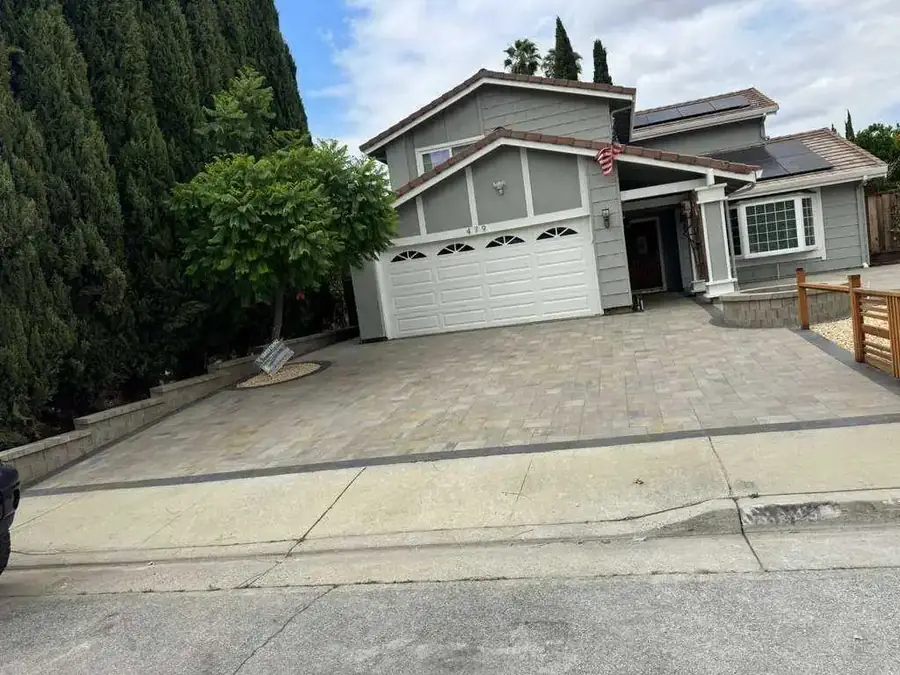
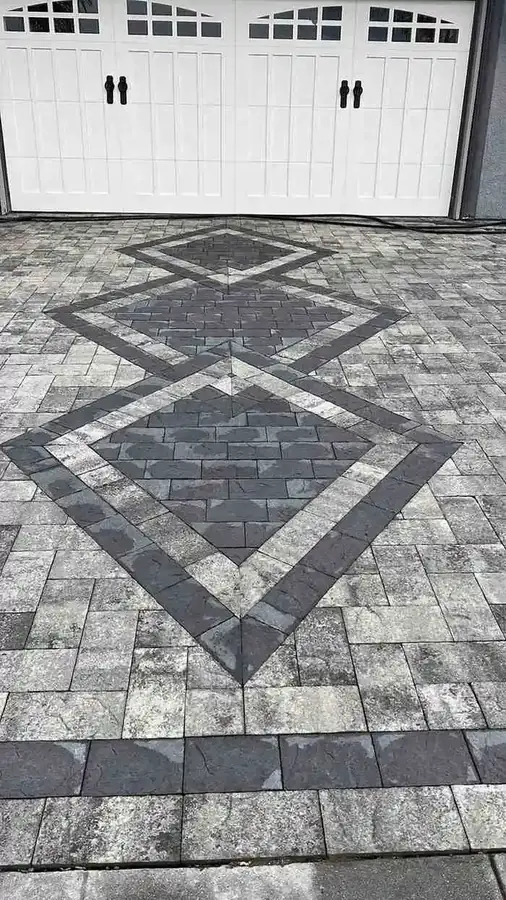
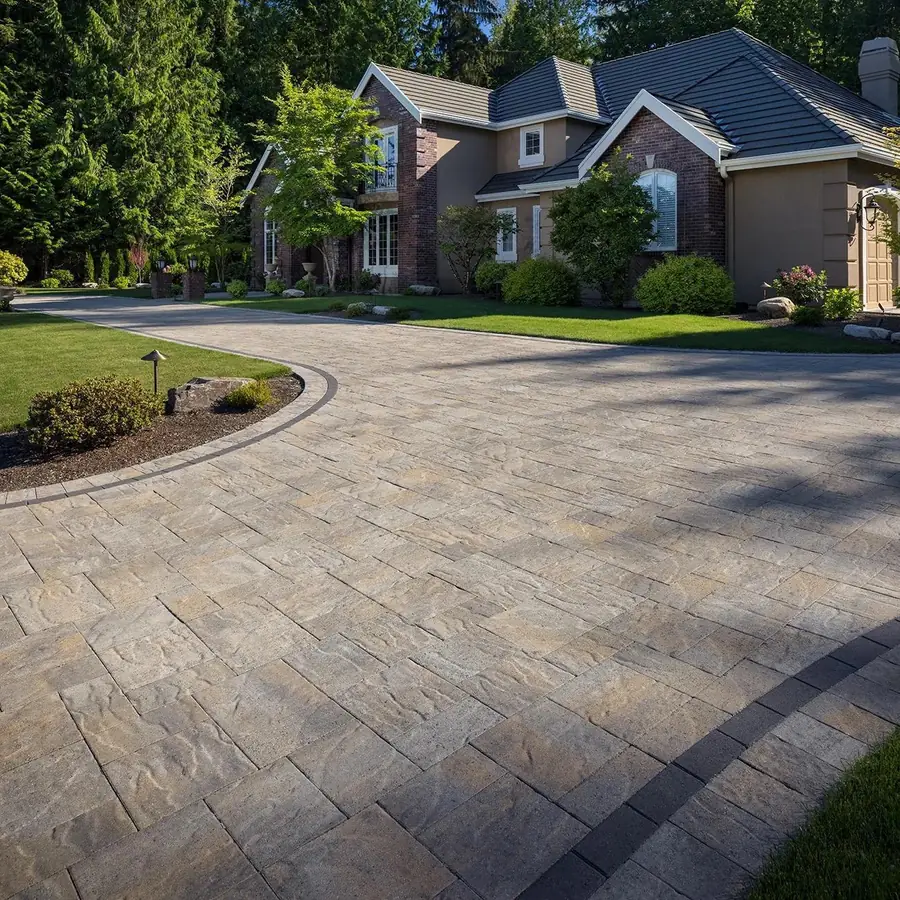
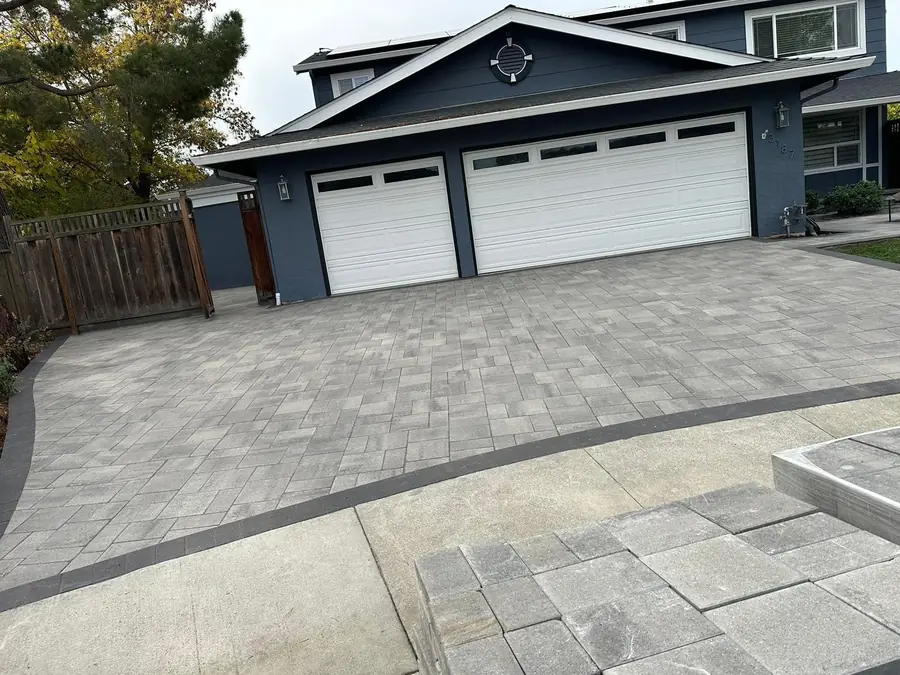
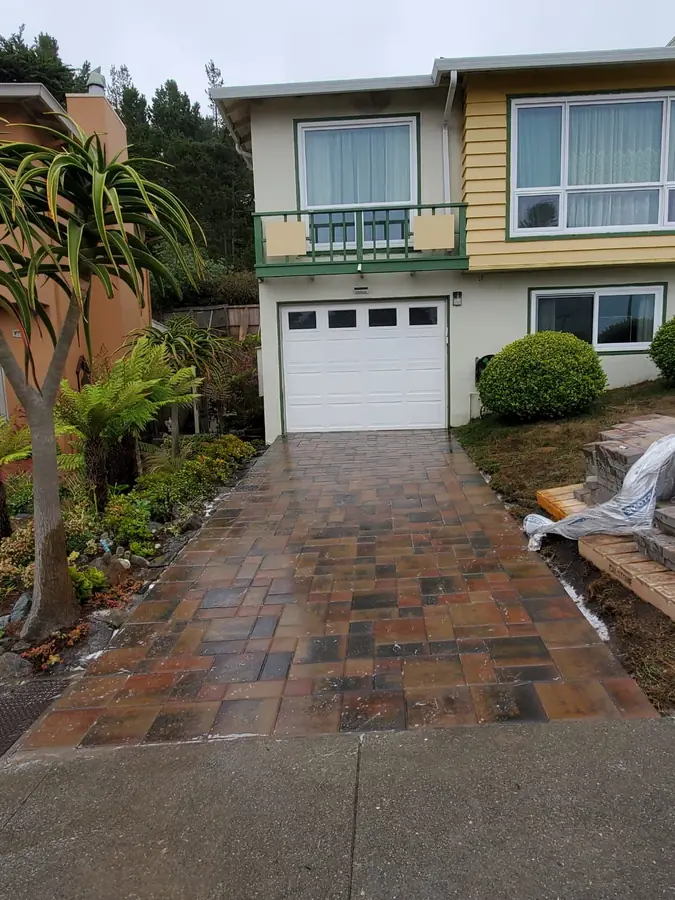
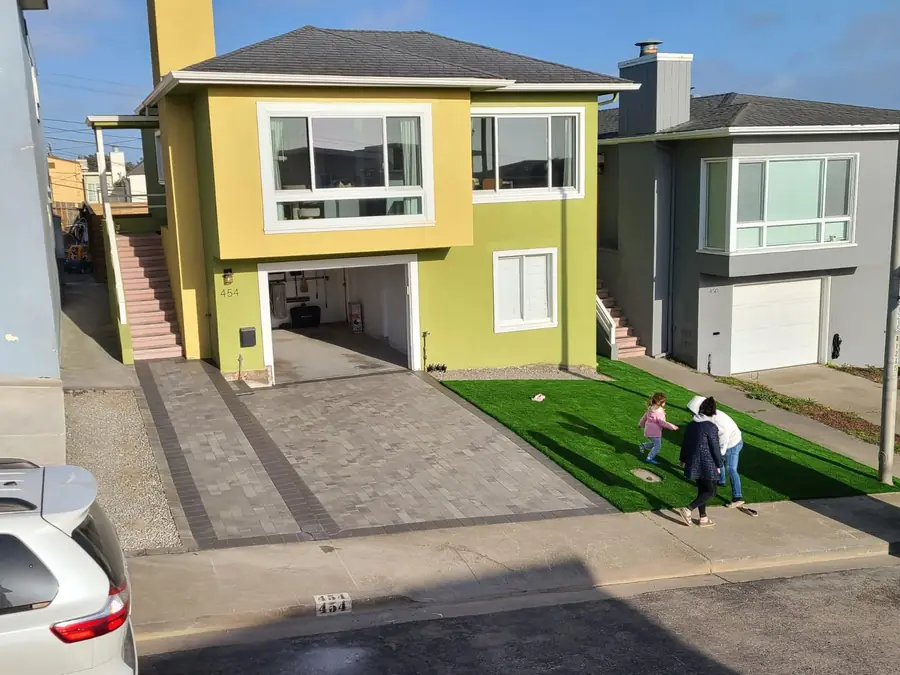
Pavers let you match your driveway to your home with color blends, borders and patterns, and they can tie into a front walkway or entry for a finished look. In Bay Area neighborhoods where curb appeal matters for resale, that is often the deciding factor.
So which should you choose?
- Choose concrete if the lowest up-front price is the priority and looks matter less.
- Choose pavers if you want a driveway that resists cracking, can be repaired invisibly and adds curb appeal and value for the long run.
Frequently asked questions
How much does a paver driveway cost in the Bay Area?
A typical 2-car paver driveway in the Bay Area costs about $4,500 to $9,000 installed. Larger driveways, demolition of old concrete and design borders add to the total.
Do paver driveways crack?
Individual pavers can be replaced if one is damaged, and the joints between them let the surface flex with ground movement, so they do not crack the way a concrete slab does.
Can I put pavers over my existing concrete driveway?
Sometimes, but it is rarely the best option for a driveway. Most installers remove the old slab and build a proper compacted base so the pavers do not shift under the weight of cars.